
Interview: Michelle Gurule
By Tessa Olson and Kassidy Hoffman
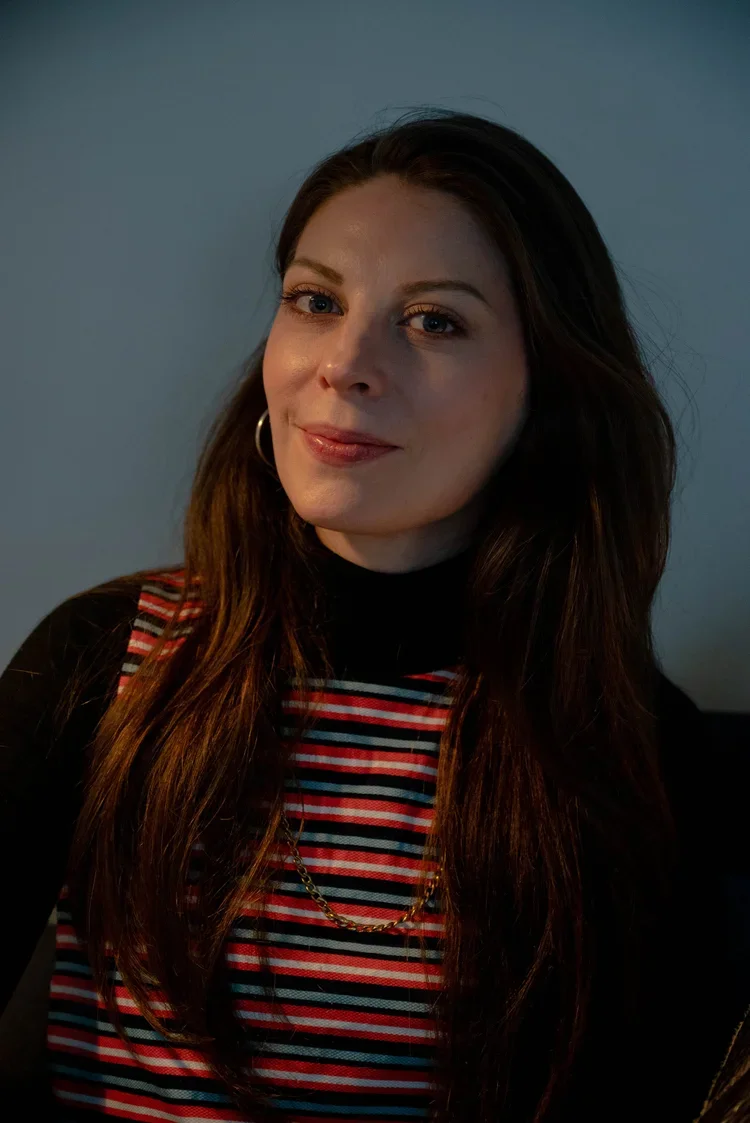
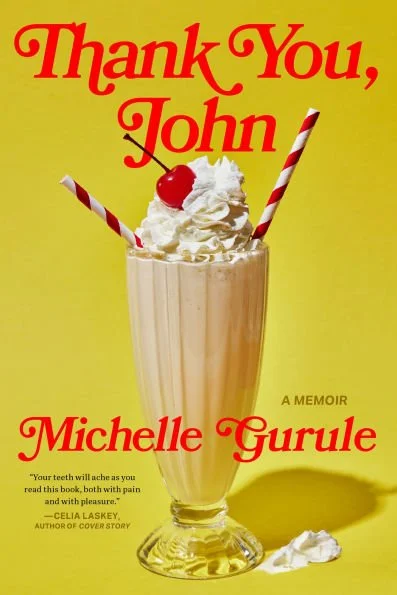
Michelle Gurule’s memoir Thank You, John is a riveting recollection of a year in Gurule’s life when she “sugared.” Sugaring is a type of sex work where “sugar babies” provide sexual favors to “sugar daddies”—who are often wealthy, older men—in exchange for gifts. These gifts range from cash to shopping sprees to dental work. While lucrative, sugaring is physically and mentally taxing, which Gurule anticipates. However, with her student debt, a decrepit car, and a family she loves and wishes to aid financially, Gurule feels compelled to take on and even continue sex work. Gurule’s memoir illustrates the misogyny and wealth inequality that pervades American society while shining a light on the fascinating and typically taboo profession of sugaring. Readers will surely finish Thank You, John with a new and rich understanding of the many ways money can change a life.
We were both enthralled by this book, and we spoke to Gurule over email.
Kassidy Hoffman: Wealth inequality is a theme that underlies your story, and you’re aware that having even just a fraction of the money John makes would be life changing. Your father, however, seems to be the first one to essentially say “enough is enough” and help you quit, while other members of your family lament the loss of extra income that you’ve provided. Can you say more about the ways your family influenced your decisions when it came to sugaring?
Michelle Gurule: I knew from the start that sugaring was an opportunity to change my life, but not a lifestyle I wanted forever. I wanted to eventually put it behind me, to be with someone I had a real connection with, and to live a life that felt genuinely free. Sugaring gave me financial freedom, but it didn’t feel freeing in any other way. Still, it was incredibly hard to walk away from that kind of security, especially when the future, and how I’d even make enough to survive, felt so uncertain. That’s when I started getting a little desperate, trying to come up with different schemes to make the money last forever. I don’t want to give too much of the ending away, but my dad was really the only one I confided in fully about those plans. He was like, “Whoa. Enough is enough. You’re never going to feel like you have enough money, so don’t do something stupid and land yourself in jail over greed.”
KH: During your final semester of college, your sociology professor, Wes, was a big supporter of your writing career. Wes was also, to put it lightly, a contentious figure for you. What was the emotional process of writing this book he encouraged while grappling with the positive and negative aspects of him?
MG: When I first walked away from that relationship—friendship, situationship, whatever you want to call it—with Wes, I really did feel like it was a net win. He saw me, he believed in my writing, and that truly changed my life. But as I was writing the book and revisiting the early emails and moments that built that relationship, I started to see how uneven the power dynamic actually was. I think I felt a kind of retroactive grief, hurt by how naïve I’d been, and aware that I probably wasn’t the only student he’d blurred those lines with during his tenure. That realization was painful. I can still acknowledge that Wes encouraged my talent, but I’m also clear now: there are far better ways to guide a student than by crossing lines under the guise of mentorship. The teacher-student romance that once felt exciting and like I’d been chosen now reads to me as predatory.
Tessa Olson: Your story illustrates Alanis Morissette as a figure you’d looked up to throughout your life as well as a catalyst for your growth and development. In fact, you eventually attended her retreat and found the strength to end your relationship with John. To my interviewing partner and me—and I’d imagine your readers as a whole—you become “Alanis” in the sense that in this book you inspire strength and perseverance. What does it mean to you to become this source of inspiration?
MG: I love that take! The idea of me becoming the “Alanis” honestly means so much. I’d be deeply honored if readers found any kind of strength or permission for themselves through this book. That’s really the hope behind sharing something so personal—that by being open and vulnerable, it might make someone else feel a little less alone, or a little more confident in their own instincts.
In an earlier draft, I actually had this ending scene where I imagined Alanis sort of handing me the reins to my own life when I met her onstage. I think what that meant for me was that I could trust myself, I could trust my decisions, and I could trust and follow this instinct to free myself of the shame and secrecy of that era.
TO: Additionally, Alanis asked you and the other attendees at a women’s retreat an existential question: “Who are you?” In what ways was this book able to answer that question for you? And beyond that, is this a question you hope your readers will examine as they read, too?
MG: That Alanis Morissette retreat came at a time when I really needed help accepting myself. The shame and internalized misogyny I carried from my years as a sugar baby had left me feeling totally depleted. Writing this book became my way of reckoning with that—of learning that I’m loved, lovable, and not alone in the experiences I’ve had. Not everyone has done sex work, but most people know what it feels like to live with a secret self, or to hide parts of who they are out of shame. I hope when people read this book, they feel less alone. That it gives them permission to bring their own hidden parts into the light and know they’re still worthy of love and self-compassion.
TO: Your memoir contains references to the many ways you record experiences from your daily life: running to the bathroom in the middle of dates to write in your Notes app, compiling the texts and emails you receive, and detailing what your family says to you in certain moments. How integral were these notes to your writing process and, in general, to the practice of creative nonfiction?
MG: The notes really helped with memory and scene—sometimes even just one line I’d written months or years before would bring me right back into a moment. And I love using direct quotes, especially from my family, because they’re hilarious. There’s no better way to capture someone’s personality than to just let them speak for themselves. The key, of course, is to present it with care—never out of context, just trying to get as close as possible to the real essence of how it felt and sounded in that moment.
But other than lines of dialogue nothing has ever been directly copied from my notes or journals. People ask me this often actually and I always think it’s funny because it makes me wonder what other people’s journals are like. Mine are so emotional! They wouldn’t make for good reading material at all, ha. Writing a memoir is totally a different kind of writing for me than journaling or just jotting things down. Memoir is all craft, so many decisions being made, so much work to build tension or to move things forward at a good pace, deciding what’s important.
Michelle Gurule (she/her) is a writer and educator based in Albuquerque, New Mexico. Her work has appeared in HuffPost Personals, Slate, Electric Lit, The Offing, Joyland, StoryQuarterly, and elsewhere. In 2021, the excerpt, “Exit Route,” won StoryQuarterly’s Nonfiction Prize, judged by T Kira Māhealani Madden and was later listed in Best American Essays Notables in 2022. Her memoir, Thank You, John, which explores the complexities of sex work, class, power, and Michelle’s intersectional identity as a queer, white/Chicana woman, is out in fall of 2025 with Unnamed Press.
Tessa Olson is studying philosophy with a minor in English at the University of Nebraska at Omaha, working towards her BA to eventually attend law school. She spends her free time reading the sappiest romance novels she can find or exploring her hometown of Omaha.
Kassidy Hoffman is a writer and poet enthralled by life in the Midwest. Currently, she is finishing a degree in creative nonfiction writing at the University of Nebraska at Omaha. Her work appears in 13th Floor and is forthcoming in Gulped zine.